Table Of Content

However, its association with violent imagery is incongruent with the company’s inclusive approach, especially when catering to youth. The challenge is to redefine the image of paintball, highlighting the excitement and strategy it offers without perpetuating negative associations. You’ll also want to document how your users respond to certain design patterns — which ones they find easy to use, which ones they don’t find easy to use, how it was tested, and any relevant context. Then, when you give it a shape or form by sketching it out, you add yet another dimension, which becomes “2D” design.
Can a design concept evolve during the design process?
It inspires the team to understand why the idea is worth designing, experimenting with, developing, and taking to market. The product team, internal stakeholders, leadership, and investors often evaluate the final design concepts. The collected inputs may be used if needed to revise the existing concept. The purpose of a design concept is to help designers and developers visualize what the product should look like and, in doing so, drive additional value for customers.
Design Thinking: Get Started with Prototyping
The first ID.UX model is the ID.UNYX, scheduled to make its market debut in 2024. With Morales having graduated, aging out of the entry pool, Rohan Sieber could be the next in the repeat winner's circle. Sieber, a junior in Portola, California, won the 2024 Drive for Design challenge. Students were asked to create a fresh concept for any of Stellantis' global brands. UTA executive director Jay Fox projects the orange line will start service by 2030. We’re an online magazine dedicated to covering the best in international product design.

What is conceptual design?
These components connect using strong magnets, so no rewiring is needed to make instant changes to the combination. And at the end of the day or if you want to take the device with you, you can simply collapse all the components in a sandwich and carry it around. L.A. Design Concepts has been bringing designer furnishings into homes since 1987. An arts education in a small school, within a major university that has every activity and resource you might want, at the center of one of the world’s most exciting creative capitals—that’s Roski.
One technique for doing so is known as the Five Whys, in which you are presented with a problem and keep asking “Why? Otherwise, if you fail to get to the exact root of the problem, your design solution would have been ultimately flawed. And the design solution—the answer to the problem—is just another way of describing the concept. People who learn best by taking notes might have an easier time organizing their concepts by writing them down. And sometimes taking a more analytical approach (such as research) early on can constrain creativity whereas the opposite can also lead to creativity without a purpose. In the Define stage, you will organize the information you have gathered during the Empathize stage.
It’s always advisable to write the design concept statement in the third person to reflect the persona’s wants and needs. This step involves organizing the creative process and identifying unique ways to invoke user emotions through design parameters. The final step is to finalize a concept for the app and move it to UX/UI designers.
All You Need To Know About Product Management
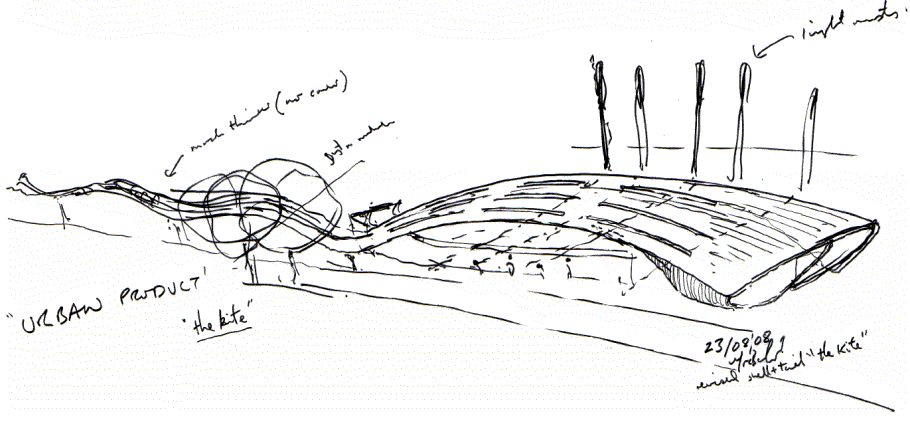
A design concept should describe on a personal level the people your product will help—as well as how the user experience will be tailored to serve those people. A product design concept should explain both what the product will do for users (the solution) and why that functionality will add value to their lives (the problem they’re looking to overcome). Once you’ve comprehended the project’s goals and necessary features, it’s time to give form to your ideas. Low-fidelity sketching on paper is a straightforward way to bring your ideas to life. Consider multiple options and arrangements (ideally three variations).A tried-and-true approach involves generating several smaller thumbnails that fit on a single page for effortless comparison and analysis.
Literature on Design Thinking (DT)
She encourages designers to get comfortable with the idea of a design not being perfect. Notice the many parallels between Laura’s advice for designers on agile teams and the mindsets of design thinking. The agile and design thinking methodologies focus on the end user. All design thinking activities—from empathizing to prototyping and testing—keep the end users front and center. Agile teams continually integrate user feedback into development cycles.
Park City Council to discuss Snow Creek tunnel, street improvements - KPCW
Park City Council to discuss Snow Creek tunnel, street improvements.
Posted: Wed, 24 Apr 2024 20:00:00 GMT [source]
The USC Roski School of Art & Design
Mazda will continue to pursue the 'Joy of Driving' under its core Human Centric value and aim to deliver the 'Joy of Living' by creating moving experiences in customers' daily lives. Learning outside the classroom enriches your practice and prepares you for a career. The school’s professional internship program has relationships with L.A.’s top museums, galleries and creative studios.
The design team will now produce a number of inexpensive, scaled down versions of the product (or specific features found within the product) to investigate the key solutions generated in the ideation phase. These prototypes can be shared and tested within the team itself, in other departments or on a small group of people outside the design team. Depending on time constraints, you will gather a substantial amount of information to use during the next stage. The main aim of the Empathize stage is to develop the best possible understanding of your users, their needs and the problems that underlie the development of the product or service you want to create. Design thinking is a broader framework that borrows methods from human-centered design to approach problems beyond the design discipline.
When Eppinger ran into a primary school educator who told him design thinking was big in his school, Eppinger thought he meant that they were teaching students the tenets of design thinking. The second phase of design thinking is developing solutions to the problem (which you now fully understand). The first step in design thinking is to understand the problem you are trying to solve before searching for solutions. Sometimes, the problem you need to address is not the one you originally set out to tackle. To test design concepts, you can utilize methods like test brand and personality, semantic differential survey, competition testing, and first-click tests.
In product management, a design concept is a short description of the idea behind the planned design of a product. Conceptual design is a dynamic process, demanding continuous refinement grounded in user and stakeholder feedback. Seek feedback early and consistently to guide design choices throughout the entire process. Free association represents a method of unimpeded associative thought, permitting designers to generate ideas grounded in personal connections and the subconscious.
That provides team members with a basic but valuable visual framework that doesn’t take too much time or too many resources to create. Investing time into creating a solid design concept reduces the risk of running into dead ends once work is underway, and of investing money into a project without a clear purpose. This step involves working with stakeholders to ensure that design decisions meet the needs of the intended audience. Working together from start to finish results in cohesion and the best way to ensure all your design goals are met. Begin by conducting research of design trends, user needs and the goals of the design challenge at hand. Data collection and analysis is crucial for informing decisions throughout the design process.
The final stage is “Deliver,” where the team tests the concepts and implements the most viable solution. “Hand” signifies the practical execution of ideas, the craftsmanship, and the skills necessary to turn concepts into tangible solutions. This includes the mastery of tools, techniques, and materials, as well as the ability to implement and execute design ideas effectively. With the foundation ready, teams gear up to “think outside the box.” They brainstorm alternative ways to view the problem and identify innovative solutions to the problem statement. At the beginning of the design thinking process, teams should not get too caught up in the technical implementation.


No comments:
Post a Comment